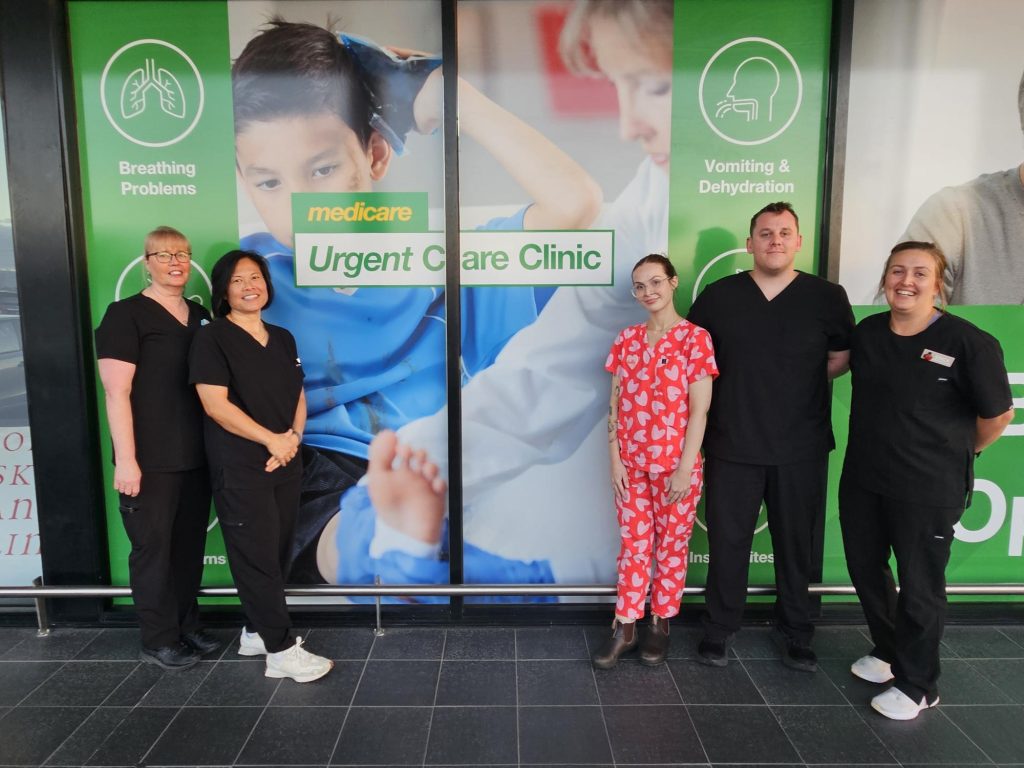
The impact of Tasmania’s Medicare Urgent Care Clinics
Posted on September 16, 2026
How Medicare Urgent Care Clinics (UCCs) are supporting communities across Tasmania
Twenty-five-year-old Benji Plant was in the middle of a local club cricket game when he dislocated his shoulder while diving for a catch.
After popping his shoulder back in himself, Benji sat on the sidelines for a couple of hours, weighing up his options. With a non-life-threatening injury, he was reluctant to go to hospital but still wanted reassurance that he hadn’t caused any nerve damage.
“I would have been in the hospital for, I’d say, over three hours easily,” Benji says.
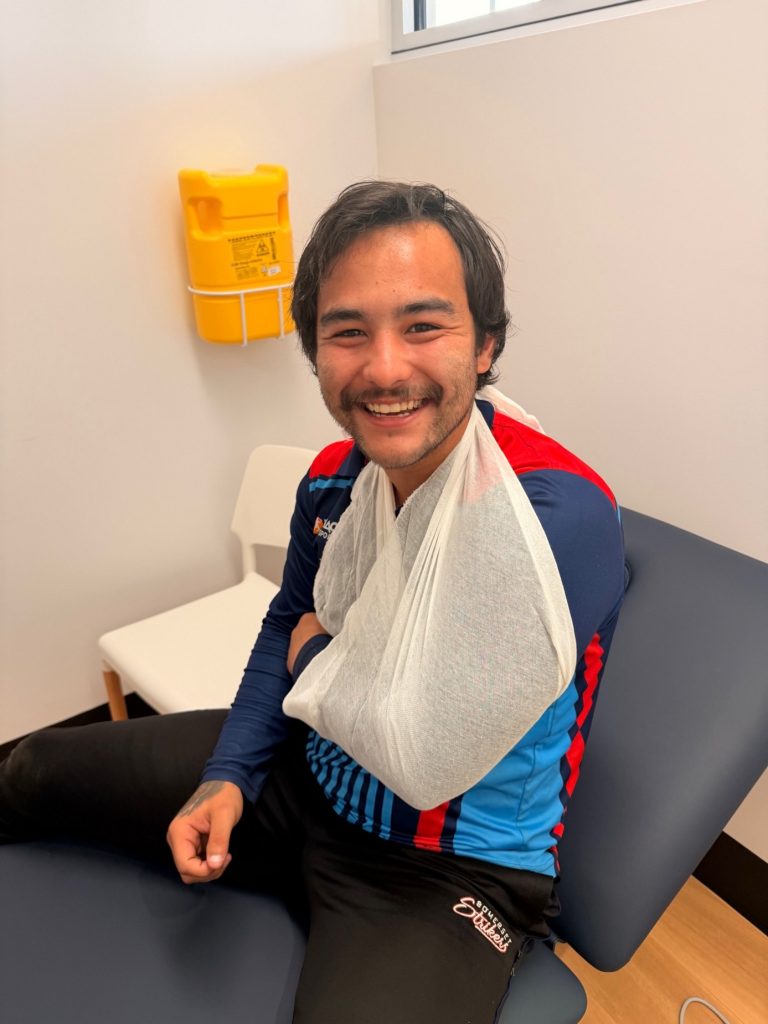
A fellow club member suggested the newly opened Burnie Medicare UCC instead. At the clinic, staff assessed his shoulder, confirmed everything was okay and fitted a sling, providing assessment and reassurance in a single visit.
“It was super quick,” Benji says. “All the staff were fabulous. They really looked after me.”
As a cricket coach, Benji says he now encourages players who experience new or acute sports injuries to consider the clinic, helping keep pressure off local hospitals and receive timely care close to home.
For many Tasmanians, Medicare UCCs have become a trusted option to access care for urgent but non-life-threatening illnesses and injuries, when they are unable to visit their regular GP.
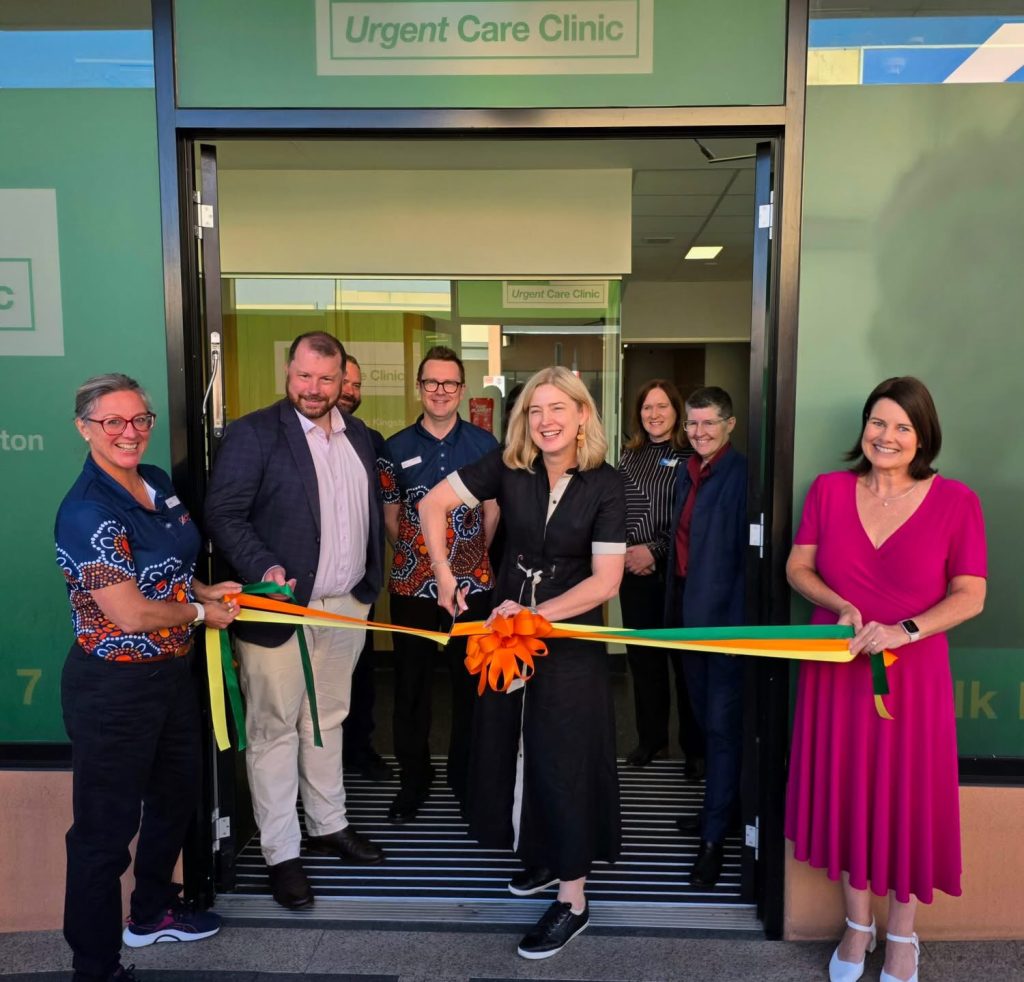
Funded by the Australian Government and established by Primary Health Tasmania and the Tasmanian Department of Health, Tasmania’s Medicare UCCs are in Bridgewater, Burnie, Devonport, Hobart, Kingston, Launceston and Sorell. A new clinic is also being established in the Glenorchy-Derwent Park area.
The clinics provide walk-in, extended-hours care for urgent but non-life-threatening illnesses and injuries. They are bulk billed, meaning there is no out-of-pocket cost for patients.
Operating within general practice clinics, Medicare UCCs are staffed by doctors and nurses who assess and treat a wide range of conditions, from burns and minor fractures to infections and respiratory illnesses. Patients don’t need an appointment or referral.
Tasmanians should continue to see their regular GP for ongoing or routine health care. Medicare UCCs are there for times when urgent health concerns arise and usual care isn’t available.
In the south, Rebecca Ferris visited the Bridgewater Medicare UCC after injuring her foot, unsure at first how serious the injury might be.
Having previously visited the clinic with a family member and hearing positive feedback from a friend, Rebecca felt confident knowing where to go for help.
At the clinic, staff quickly assessed her injury and arranged an x-ray during the same visit, confirming her foot was fractured. She was fitted with a moon boot on the spot and provided a clear plan for recovery.
“It was a really good experience,” Rebecca shares. “They could do everything while I was there. It was really an end-to-end service, which was great.”
The clinic also arranged a referral to a fracture clinic, with information shared to her regular GP to support continuity of care.
“I think the clinics are a really fantastic idea,” Rebecca says. “It takes the pressure off emergency departments and what they do, they do really well.”
Injuries like Benji’s and Rebecca’s are a common reason people attend Medicare UCCs, but the clinic teams
say they represent only part of the care provided every day.
Devonport Medicare UCC practice manager, Belinda Livermore, describes a steady stream of patients seeking timely care when urgent health concerns arise and their usual GP isn’t available.
“We see a large number of UTIs (urinary tract infections), respiratory illnesses, and injuries that require suturing; a lot of presentations for patients that can’t see their GP, but whose health issue can’t wait that long,” Belinda says.
At the Sorell Medicare UCC, a similar picture emerges, particularly among families and children seeking
assessment, reassurance and guidance.
“We commonly see musculoskeletal injuries and lacerations, as well as children and families presenting for review, assessment and education,” urgent care manager Erica explains.
Access to urgent care locally has also changed how both residents and visitors choose to seek help, according to staff at the clinic.
“The clinic is so important for local communities as it provides access for travellers and locals to receive urgent care without travelling to the capital cities, keeping emergency departments for emergencies,” Erica says.
“It also provides peace of mind knowing there is an out-of-hours, high-quality healthcare service available when they need it.”
Beyond immediate care, Kristy, an enrolled nurse at the Sorell clinic, says the service plays an important role in helping people better understand how and where to seek help within the health system.
This includes supporting patients to identify when urgent care is appropriate, when to see a GP and when emergency care is required—and in some cases, helping connect people who don’t have a regular GP with local practices.
Across sites, patient feedback continues to reinforce the value of the service.
“Our nursing team has been stopped in the supermarket by a patient who was very thankful for the care and support received,” Kristy says.
“The feedback has been very positive,” Belinda says. “Patients have commented on how great it is to have such good doctors in the clinics that have a strong understanding of patient needs, and how they feel truly heard.”
Medicare Urgent Care Clinics at a glance:
- More than 1.8 million visits nationally to Medicare UCCs since commencement.
- Clinics see around 36–41 patients per day on average.
- Sunday and Monday are the busiest days, especially mid morning.
- Three quarters of patients are seen within 30 minutes.
- Most visits are for minor injuries (sprains, fractures, cuts requiring stitches) and acute infections and illness.
- Around 83% of patients are treated and go home after their visit.
Based on national data covering 30 June 2023 to 10 August 2025.
References available on request.
Want to know more? Visit our website here.
This story features in Issue 22 of our Primary Health Matters magazine. Click here to read the rest of the issue.