Virtual support for chronic conditions through Care@home
Posted on September 18, 2026
How a virtual care program is working alongside general practices to help people with chronic conditions
“Everyone deserves to be treated as a human and not as a number in a system.”
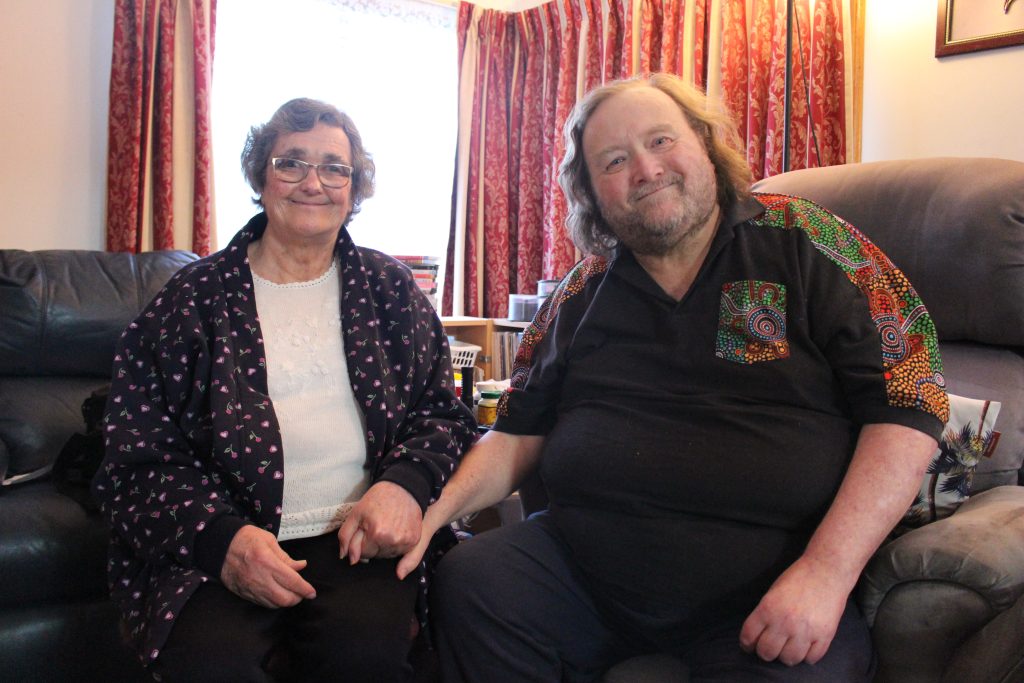
As a person living with chronic conditions, Neil Hutton has lots of experience in the healthcare system—and he knows what can make a difference.
After a reaction to blood pressure medication left him with severe swelling, reduced mobility and declining mental health, Neil realised he needed more help.
Everyday tasks had become difficult and his sense of independence began to slip away.
“I felt useless,” he says. “I was so close to asking to be put in a nursing home.”
That changed when his GP referred him to Care@home’s chronic disease management program.
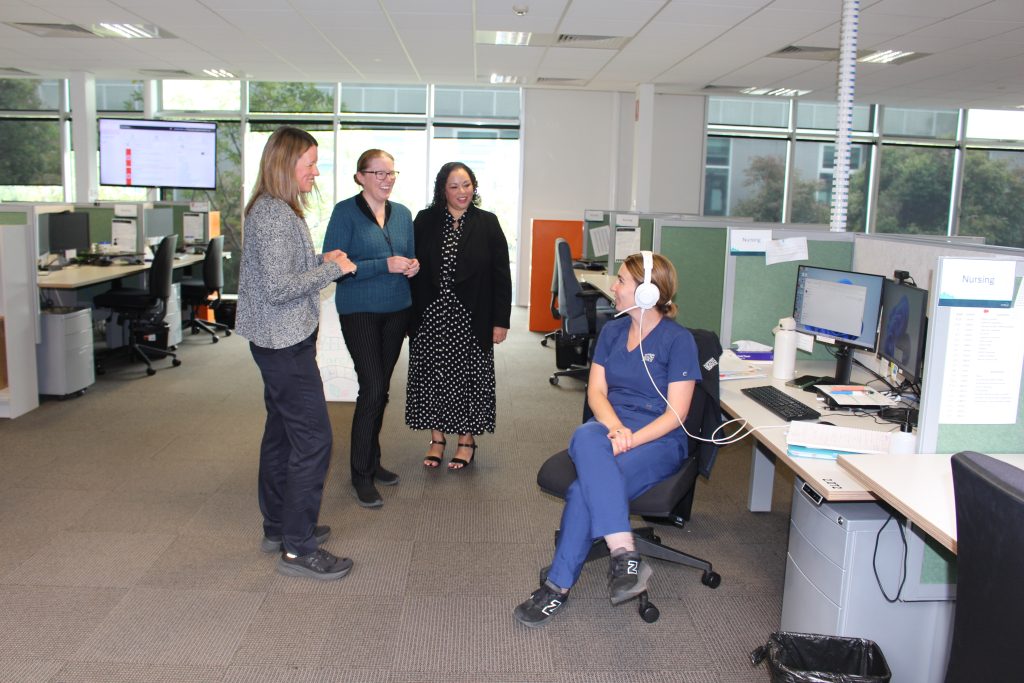
Care@home is a statewide service providing 24-hour, seven-day support to Tasmanians in their own homes, using virtual care technology. It’s provided by the Tasmanian Department of Health.
While Care@home began during the COVID-19 pandemic, it has evolved into a broader model supporting both acute and chronic conditions.
Care@home nursing director Monique Johnson says the chronic disease management program focuses on people living with conditions such as diabetes, heart failure and chronic obstructive pulmonary disease, with the aim of supporting people to better manage their health and stay out of hospital.
“We’re really in that space of preventive health,” she says. “Supporting people to stay well and prevent things from escalating.”
The program typically runs for up to three months and centres on health coaching, goal setting and care navigation, but is responsive to the patient’s individual needs.
Patients participate in regular virtual appointments, supported by a multidisciplinary team including nurses, medical officers, social workers, pharmacists and allied health professionals.
Importantly, the service is designed to complement, not replace, general practice.
“We’re acutely aware of not replacing GPs,” says Care@home medical lead Dr Michelle Hannan. “The patient’s usual GP remains responsible for prescribing and their chronic disease management plan. We’re there to provide support around that.”
She says the program is particularly useful when patients are returning home after a hospital visit.
“We try to step into that gap that often happens when someone comes out of hospital,” Michelle says. “There can be a delay before they see their GP or receive a discharge summary. We can make sure follow-up happens and keep the GP informed.”
Care@home clinicians support patients to prepare for GP and specialist appointments, assist with care coordination and referrals, provide after-hours monitoring and escalation, and ensure communication back to the patient’s usual GP.
This helps patients make better use of limited GP appointment time while maintaining continuity of care.
Care@home social worker Katrina McDowall says empowering patients is central to the program.
“Patients can become quite passive in their healthcare journey,” she says. “We help them understand they can be active participants, with questions and priorities when they see their GP.”
Katrina helped Neil access urgent in-home support and connected him with longer-term services through My Aged Care.
When Neil entered the program, his needs extended well beyond medical care. He required support with personal care, navigating services, and managing multiple appointments.
At the same time, the clinical team worked with Neil on achievable goals, including increasing mobility and improving his confidence to engage with care.
“We set goals, which I achieved, and I’m still achieving them now,” he says.
Health coaching is central to the program. Patients identify their own goals and are supported to work towards them through regular check-ins.
For some, that might mean increasing physical activity. For others, it could involve understanding their medicines, stopping smoking, or accessing community services.
“We don’t come in with an agenda,” Katrina says. “It’s about what’s important to the patient and how we can support that.”
This approach builds both health literacy and confidence, equipping patients to manage their health beyond the program.
“They gave me the knowledge to keep going,” Neil says. “I learnt to live with my problems rather than let them defeat me.”
For Neil, one of the most powerful aspects of the program was the relationships he built with staff.
“Every time Katrina called me, we’d be laughing within minutes. It was like talking to a friend,” he says.
That connection had a tangible impact on his wellbeing. “My mental health almost got destroyed,” he says.
“But with their support, it improved, and it’s still improving today.”
His wife, Kathy, has also seen the change.
“He’s had an opportunity and he’s run with it, and I’m so proud of him,” she says.
As demand for chronic disease management grows, services like Care@home offer a meaningful and helpful way to support patients between appointments and across care settings.
By combining virtual care, multidisciplinary support and strong links with general practice, the model addresses common gaps in the system, particularly for patients with complex needs.
“There are so many patients who just need a bit of extra support,” Katrina says. “For those who are ready to make a change but don’t know what’s next, this program can make a real difference.”
For Neil, the impact is clear.
“Just in general, I feel like my life is worth living again.”
Learn more about Care@home here.
This story features in Issue 22 of our Primary Health Matters magazine. Click here to read the rest of the issue.